
HRV installation and home ventilation in Nova Scotia
A heat recovery ventilator gives your home a steady supply of fresh air and a controlled way to send stale, damp air out — while keeping most of the heat indoors. We install HRVs and full ventilation packages sized to the house.
Ventilation that doesn't send your heat out the wall
An HRV runs two air streams past each other: stale indoor air heading out and fresh outdoor air coming in. As they pass, the core transfers heat from the outgoing air into the incoming air, so the fresh air arrives already warmed. You clear out cooking odours, shower moisture and stale air without heating the outdoors.
In a well-sealed Nova Scotia home, that planned ventilation is what keeps humidity in check, cuts down on window condensation in winter, and keeps the air feeling fresh in every season. We size the HRV to the home and tie it into the bath and kitchen exhaust so the whole system works together.
- ✓ HRV supply and install sized to the home
- ✓ General ventilation packages for whole-home air quality
- ✓ Range hood and bathroom exhaust integration
- ✓ Balanced airflow so supply and exhaust actually match
- ✓ Humidity control that helps with winter condensation
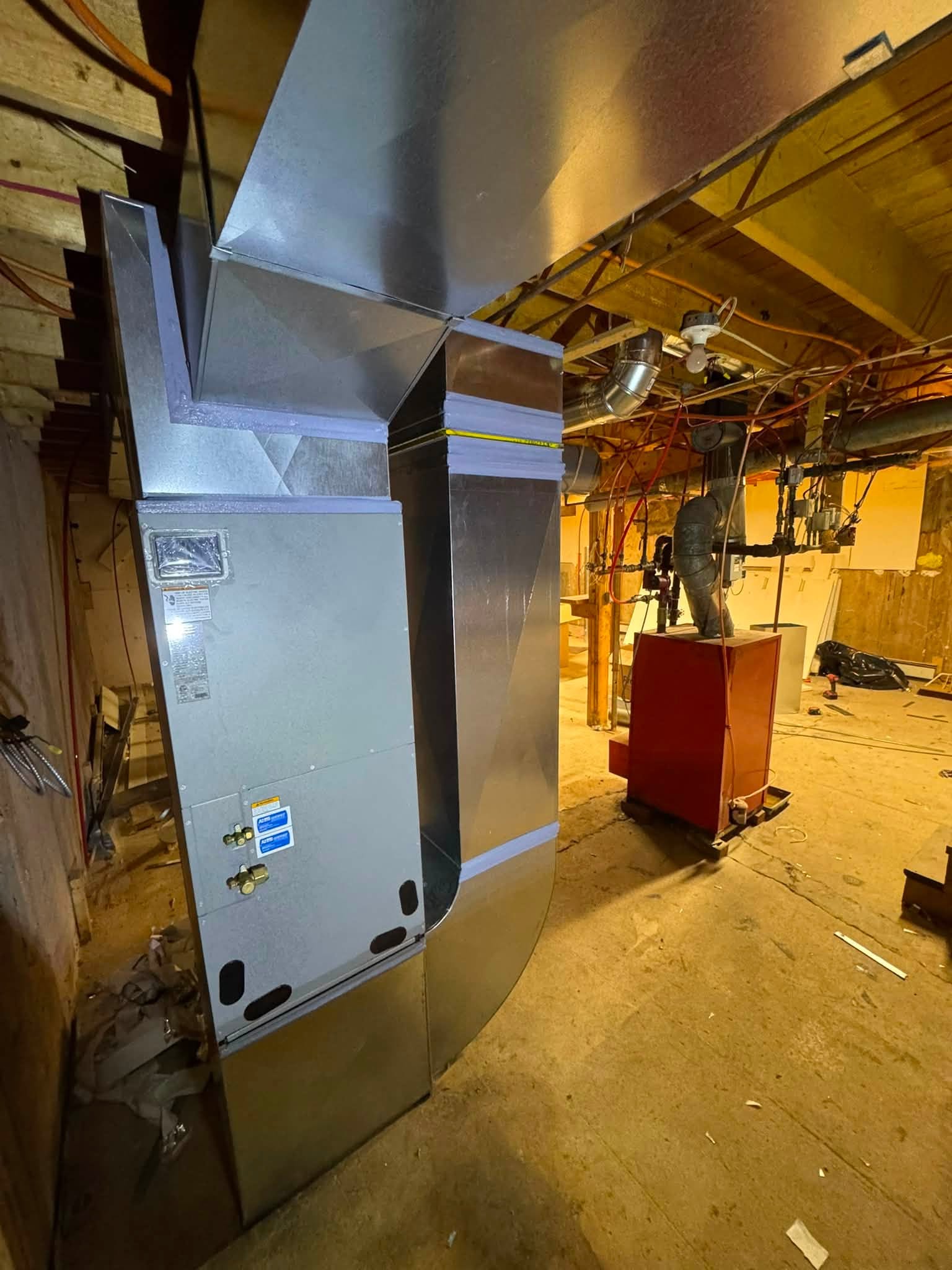
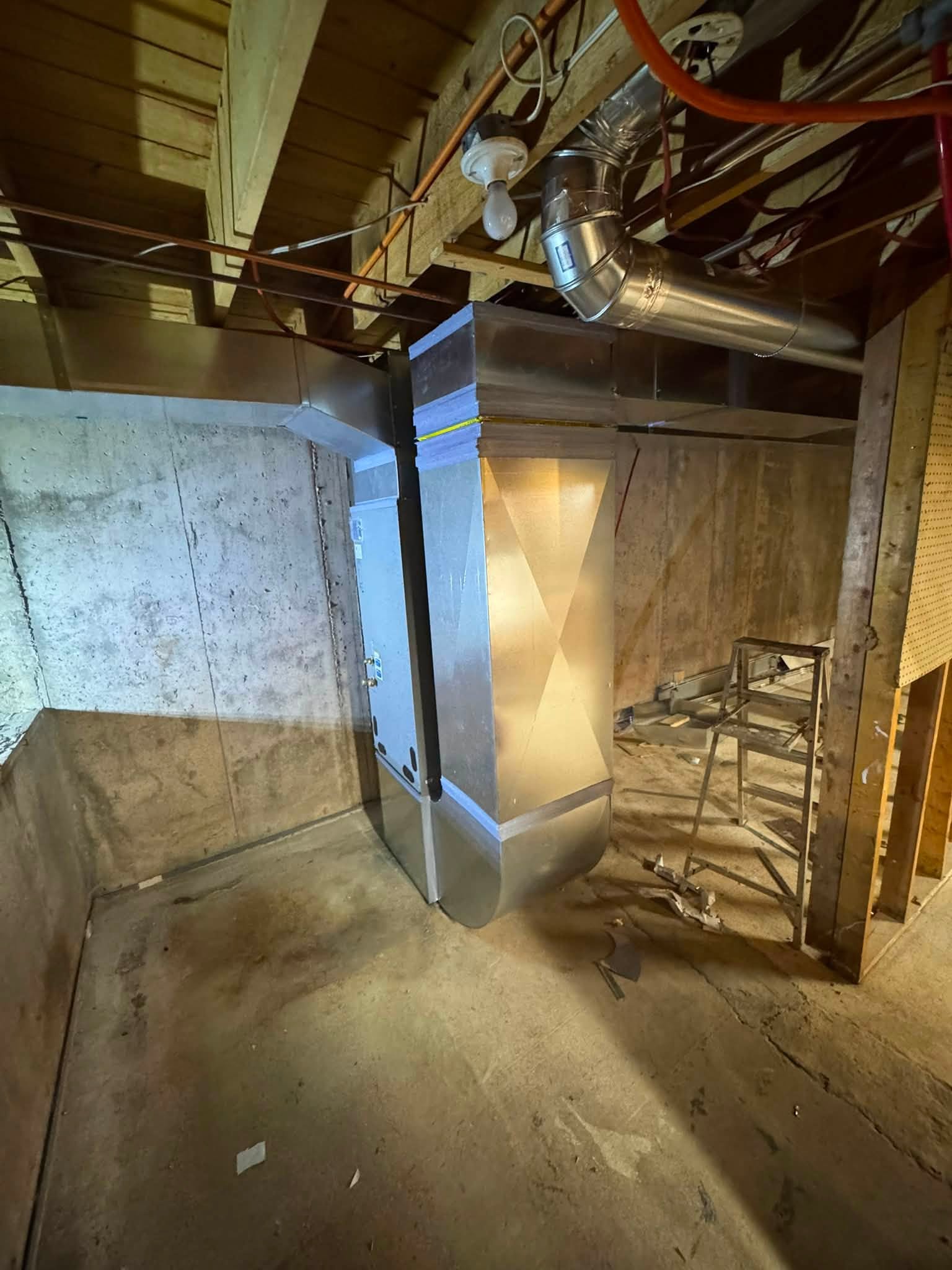
Balanced ventilation is a system, not a single fan
An HRV only delivers on its promise when the supply and exhaust are balanced and the ducting is laid out so every part of the home gets its share of fresh air. An off-balance setup either can't move enough air or pulls the house into pressure problems.
We commission the unit the same way we do the rest of our work: measured airflow, balanced streams, and a walkthrough so you know how to run it through the seasons. Chris Smith's HRV, in one of our reviews, went in and was working the same day.
HRVs and ventilation, answered
What does an HRV actually do?
A heat recovery ventilator continuously swaps stale indoor air for fresh outdoor air, and as the two air streams pass each other it transfers heat from the outgoing air into the incoming air. You get fresh air and controlled humidity without dumping the heat you've already paid for.
Does a tight, well-insulated home need an HRV?
The tighter the home, the more it needs planned ventilation. A well-sealed house holds in moisture, cooking odours and stale air, and an HRV gives that air a controlled way out while bringing fresh air in — which is why newer builds are designed around one.
Can an HRV help with window condensation and humidity?
Often, yes. Excess indoor humidity is a common cause of window condensation in winter, and a properly balanced HRV moves that damp air out and replaces it with drier outdoor air, which helps keep humidity in a comfortable range.
Can you add an HRV to an existing home?
Yes. We assess the layout, find the best routing for the supply and exhaust ducts, and tie the unit into your existing setup so it ventilates the whole home rather than one corner of it.
Want fresher air without the heat loss?
Tell us about your home and we'll size an HRV or ventilation package for it, free.